
Are you considering assisted reproduction to help you start or grow your family? If so, it’s important to prepare your body for the process. Assisted reproduction can be physically and emotionally demanding, so it’s essential to take steps to optimize your health and well-being. In this blog post, from The Natural Balance, we will share the top 5 tips for preparing your body for assisted reproduction.
1. Eat a fertility-enhancing diet
First things first! Look at your diet and try to identify any foods that could be negatively impacting your overall health. Processed foods, added sugars, and excessive calories can all promote high levels of inflammation. It can be detrimental to egg health and fertility. Likewise, having a very restricted diet and not eating enough calories can also have negative effects. Being underweight or overweight can seriously alter your IVF chances; therefore, having a healthy BMI is important. Different fertility clinics have different guidelines, but generally a BMI of between 20 – 30 is considered acceptable.
Also read: 11 Foods to Avoid When Pregnant
A balanced diet consisting of protein sources from lean meats and plant-based options, carbohydrates in the form of complex carbs, small levels of healthy fats and a wide variety of micro nutrients from whole foods such as leafy greens, fruits and vegetables is ideal. Foods considered to be particularly beneficial for fertility include avocados, eggs, nuts & seeds, beans, lentils, wholegrain and foods high in omega-3 fatty acids like oily fish.
2. Quit smoking, alcohol and reduce caffeine consumption
When it comes to these 3 things, I always advise clients going through an IVF journey to act as though they are already pregnant and avoid them where possible. Studies have shown that nicotine can drastically age the ovaries and make them resistant to fertilisation. Consuming alcohol during an IVF cycle can also reduce the chances of it being successful by up to 50%. Therefore, it really should be avoided. You can consume caffeine, but aim to drink no more than 200mg/day. It is the recommended amount during pregnancy and considered to be safe. This is approximately 2 cups of coffee per day. Excessive consumption of all 3 of these can elevate levels of oxidative damage, reduce cell proliferation and growth and lower overall antioxidant status. It can be detrimental for both egg health and IVF outcomes.
3. Take a prenatal supplement

Egg quality is crucial when it comes to an IVF cycle. It can be the difference between a successful treatment and an unsuccessful round. Whilst our diet should be the main source of nutrient intake, taking a prenatal supplement has been shown to improve egg health and assist fetal development. There are many available, but it’s worth investing in a higher-quality option that contains more potent nutrients in their bioavailable form. At the very least, you should be taking 400ug of folic acid or folate prior to and during your IVF cycle. Other supplements that have promising research around egg health include CoQ10, omega-3, NAC, vitamin D and C. Always consult your healthcare provider when taking supplements or work with a nutritional therapist for a bespoke supplements plan.
4. Use alternative therapies alongside your treatment
It s not all about nutrition; alternative therapies can be extremely beneficial in assisting an IVF cycle. There is a wide range of complementary therapies available that are specifically targeted at enhancing fertility. Reflexology, acupuncture and Chinese medicine have all been shown to have positive effects on both natural fertility and assisted techniques. They can work alongside nutrition to regulate hormone balance by promoting blood flow and detoxification. They can also stabilize blood sugar levels and down regulate our stress response.
5. Commit to regular relaxation techniques
Lastly and perhaps most importantly, practice some form of mindfulness on a consistent daily basis. Stress can be one of the driving forces that can negatively impact IVF success. The process in itself can be a very stressful one. Not only is the treatment physically demanding, but you can also experience increased pressure and worry around the outcome. Therefore, getting enough rest and relaxation is essential. There are lots of techniques you can use, including meditation, affirmations, breathwork, journaling, or simply going for regular walks in nature or listening to your favorite music. These can help keep you focused and in a positive frame of mind. It can subconsciously have more favorable IVF outcomes.
Hopefully, you have found these tips useful if you are about to embark on an IVF journey, whether this is your first time or 5th time. The process can be gruelling on both the mind and body, so try to focus on ways you can really nurture your health to improve your chances.
If you would like more guidance on what to eat to prepare for your IVF cycle or egg freezing, why not book a free discovery call with Gail today?
There is no commitment, and all calls are a private and safe space to discuss your concerns.
Written by Fertility, Pregnancy and Hormone Specialist Gail Da Silva Madalena at The Natural Balance.
If you would like to book a Free consultation with Gail to discuss your specific concerns, you can do so here.

About Hoopsy
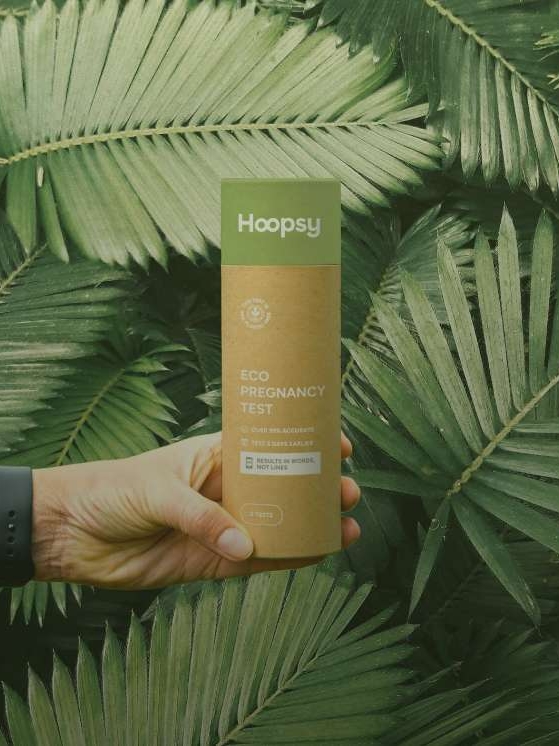
Hoopsy is on a mission to make healthcare more sustainable—starting with eco pregnancy test kits. Our plastic-free, paper-based hCG pregnancy test strips reduce waste without compromising accuracy. We believe better health starts with better choices—for you, and for the planet.
Learn More About…