
Views on the women’s reproductive system around the world have always been a topic that inspires fertility myths and old wives’ tales – some harmless, others superstition and a few rooted in patriarchy. It’s interesting to see the strange things people believe can help (or hurt) their chances of conceiving. Here are some of the most curious and widespread fertility myths and beliefs from around the world.
- Pineapple (Modern, Western Internet)
A popular fertility myth I’ve seen circulating on Gen Z-favoured platforms, Instagram and TikTok, is that eating pineapple after ovulation can help an embryo implant and increase the chances of pregnancy. People often joke about eating it before seeing their favourite musician in concert (because apparently delusion is part of the diet) or even a crush or partner. Despite the hype, there is no clinical evidence that it improves implantation – you’d need huge amounts for any effect. The pineapple core contains bromelain, an enzyme thought to reduce inflammation, but too much can actually trigger uterine contractions.
- “Keep Your Feet Warm To Keep Your Womb Warm” (Traditional China)
This Chinese traditional fertility myth that has been a common discussion on Reddit TTC threads sounds cosy, but your uterus doesn’t actually care if your toes are freezing. Fluffy socks might make you comfy, but they won’t boost fertility.
- “Eat Lots Of Pickles To Get Pregnant” (Slavik Folklore)
Sour foods were believed to ‘stimulate the womb’ by balancing the body’s elements, an old (and now debunked) medical theory. However, they do make a tasty snack!
- Carry An Acorn & Wear A Green Stone (European)
From Celtic and European traditions, acorns symbolised life and fertility, and green stones were thought to bring luck and reproductive vitality.
- Eat Yams Or Sweet Potatoes For Twins (Nigeria)
This is based on the Yoruba tribe in Nigeria, where yam consumption is high, and twin rates too! There might be a tiny kernel of truth in this… as yams contain thytoestrogens (aka plant compounds that mimic estrogen), BUT is it really enough to plan your meals around?
- Have Sex During A Thunderstorm To Conceive A Boy
An old European fertility myth tying men to thunderstorms – apparently, their masculinity is weather-dependent.
- Drink Milk For A Boy, Eat Fish For A Girl (East Asia)
A classic gender-based dietary fertility myth, claiming that what you eat can influence sperm type and determine your baby’s sex. Science says no, yet this keeps popping up on fertility forums. The people are clearly searching for a tasty hack!
- Brazil Nuts For Sticky Embryos (Modern)
I must admit, I was pretty surprised to learn this is a modern belief. This idea seems to have popped up in fertility blogs, forums and social media, where selenium-rich foods like Brazil nuts are linked to ‘better implantation’. Eating five nuts isn’t going to magically make embryos stick, but it is good to know that selenium supports overall productive health, hormone balance and antioxidant protection.
- Bleeding On The Wedding Night As Proof Of Virginity And Fertility (Turkish & Balkan – Parallels Worldwide)
In some traditional cultures, a woman not bleeding on her wedding night after intercourse was seen as a bad omen for fertility. Regions including the Middle East, historical Europe and parts of Asia have all experienced a time where there was social pressure for newlyweds to consummate their marriage immediately. This belief stems from purity, honour and lineage culture rather than biology.

- Legs Up The Wall After Sex Helps Sperm Reach The Egg (Timeless – Still Believed!)
A notable favourite amongst many trying to conceive tips, this one suggests lying upside down will help sperm travel. Science says nope! Your uterus is perfectly capable on its own. Still, if it makes you feel better and you enjoy a little yoga, why not?
Which fertility myth was your favourite? Got any wild ones we missed? Drop them in the comments!

About Hoopsy
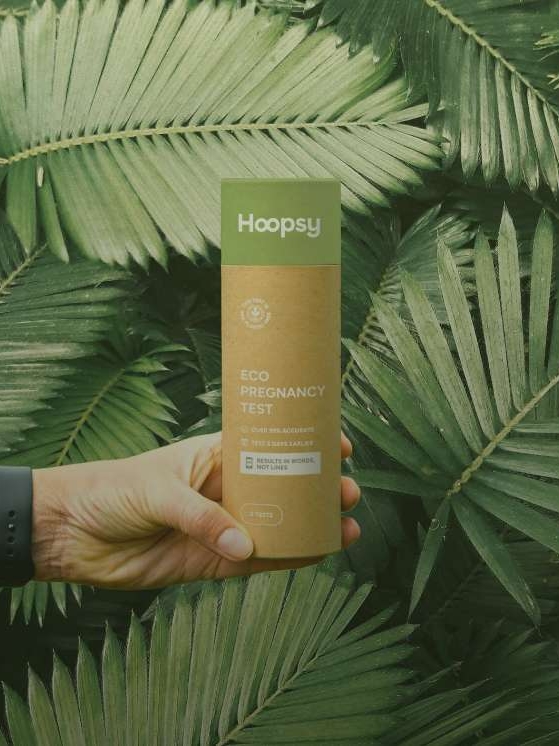
Hoopsy is on a mission to make healthcare more sustainable—starting with eco pregnancy test kits. Our plastic-free, paper-based hCG pregnancy test strips reduce waste without compromising accuracy. We believe better health starts with better choices—for you, and for the planet.
Learn More About…