
So…. What Exactly Is Ovulation?
Ovulation is the moment in your cycle when your body releases a mature egg from one of your ovaries. It usually happens once a month and marks your most fertile time, aka the days when pregnancy is most likely. Ovulation is necessary for pregnancy to occur!
How Can I Tell When I’m Ovulating?
- Ovulation Prediction Kits (OPKs)
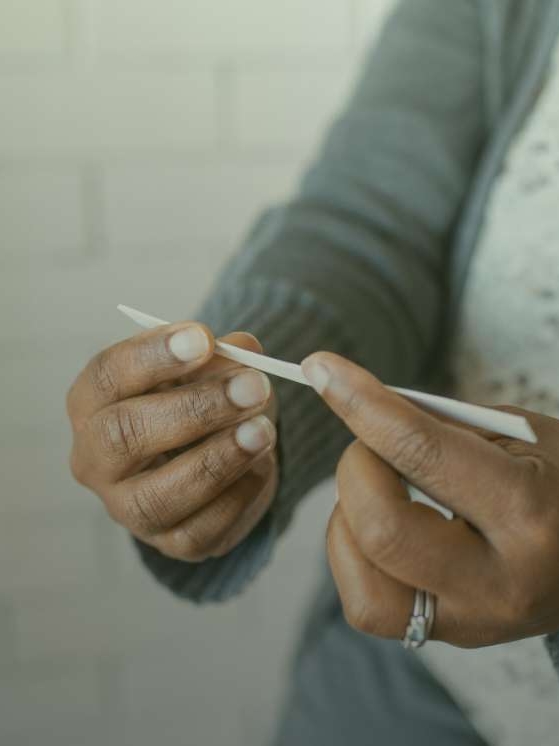
OPKs are one of the easiest ways to know when ovulation is coming. These kits are available at most pharmacies. They work by checking for a rise in lutenising hormone (LH) – a little hormonal surge that means ovulation is between 24-48 hours away.
Common Signs You Might Be Ovulating
Your body is amazingly good at giving hints. Everyone’s experiences are different, but there is a list of the most common signs:
- Mild pelvic pain or a little twinge on one side of the lower abdomen
This is often called mittelschmerz and is usually mild pain. This can last either a few minutes or a few hours.
- More cervical mucus
You may notice clear, stretchy ‘egg-white’ discharge. This is essentially your body’s way of saying, ‘Hey! Fertility window is open!’
- Slight rse in basal body temperature
Your BBT goes up just a tiny bit after ovulation.
- Your cervix changes
For those who check internally, the cervix may feel softer, higher and more open right before ovulation.
- Feeling a bit boated
Hormones can cause temporary bloating around your fertile days.
How Do I Track My Basal Body Temperature (BBT)?
Your BBT is your temperature first thing in the morning before you do anything (even walking to the bathroom!). Your BBT is the temperature of your body when you are at rest. Tracking over time helps you see that tiny post-ovulation rise. Here is how to do it:
- Keep a basal thermometer by your bed
- Take your temperature at the same time every morning using a basal thermometer
- Log your readings
- Watch for the small but steady rise
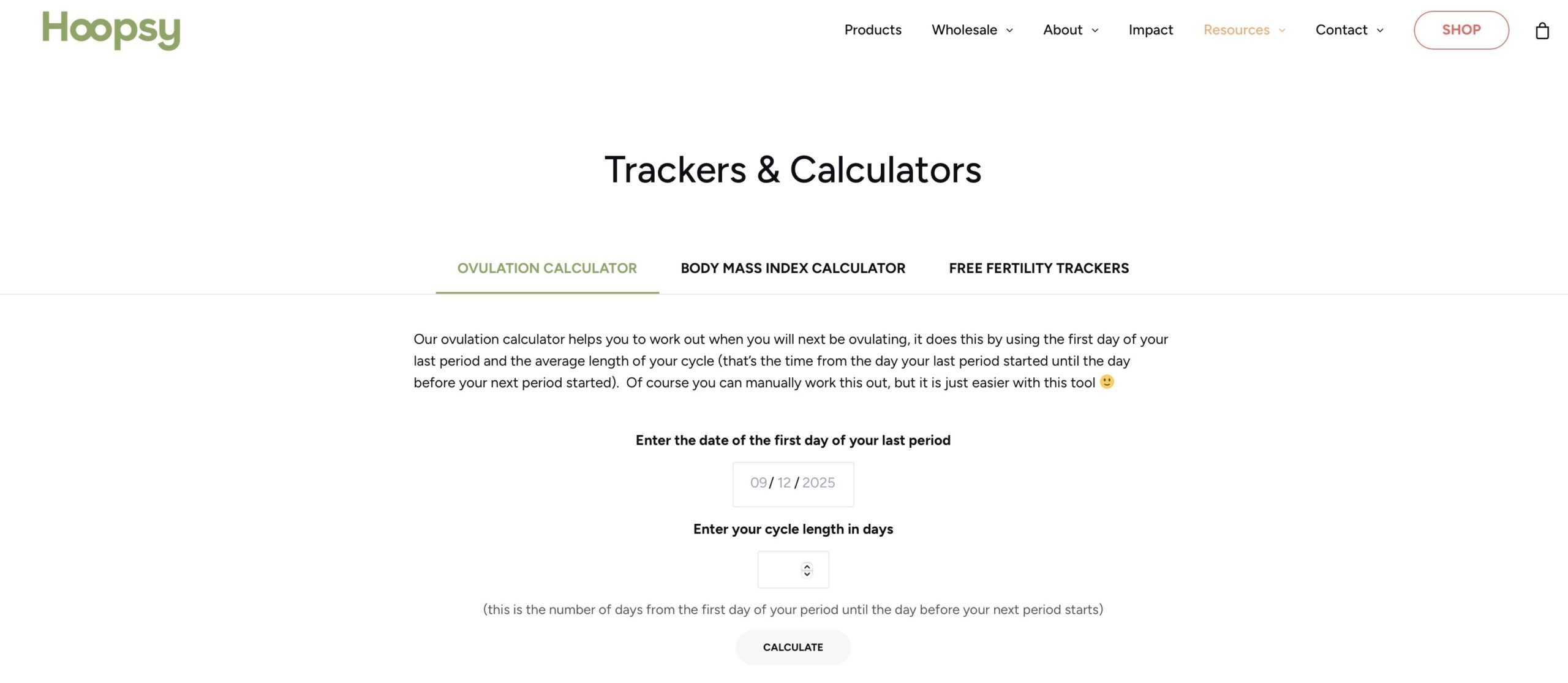
If you’d rather skip the charts, Hoopsy’s free ovulation calculator does the maths for you.
Why Does Knowing Your Ovulation Matter?
If you’re trying to conceive, timing really does matter. A woman is typically most fertile in the five days before ovulation and the day of ovulation. But even if you’re not actively trying, knowing your cycle helps you:
- Understand what’s normal for your body
- Spot irregularities early
- Feel more connected to your hormonal patterns
If you’re trying to get pregnant and having trouble conceiving, a chat with a healthcare provider can be really reassuring.
Hoopsy Ovulation FAQs
When Do Most People Ovulate?
Usually around the middle of their cycle – but bodies do not run on perfect 28-day calendars.
Can I Ovulate Without Getting A Period?
Sometimes, yes. It depends on what’s going on hormonally.
What Is The Most Accurate Way To Detect Ovulation?
Most people use OPKs plus changes in cervical mucus.
How Long Does An Egg Live After Ovulation?
About 12-24 hours, while sperm can live up to 5 days.
Can Stress Delay Ovulation?
Absolutely. Your body reacts to life – travel, stress, change, late nights, illness – all of it can shift ovulation around.

About Hoopsy
Hoopsy is on a mission to make healthcare more sustainable—starting with eco pregnancy test kits. Our plastic-free, paper-based hCG pregnancy test strips reduce waste without compromising accuracy. We believe better health starts with better choices—for you, and for the planet.
Learn More About…