
Is silicone safe is something that has bugged me for a while. I wasn’t sure of the difference between silicone and plastic, so I started researching. For everyday kitchen use, silicone leaches far less than plastic, and it doesn’t shed microplastics. It isn’t completely inert, though, so here are the facts and the actual numbers.
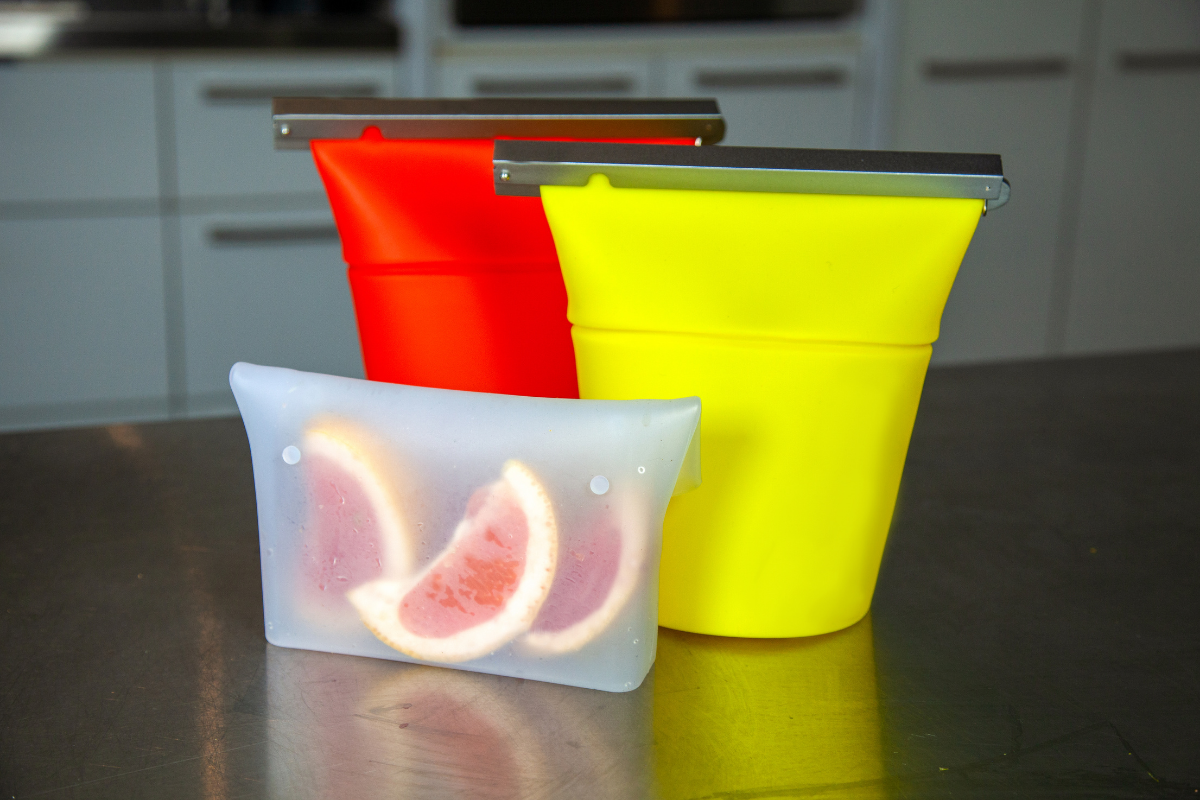 One useful starting fact: silicone isn’t a plastic in the usual sense. Its backbone is built from silicon and oxygen, which makes it structurally closer to glass and sand than to a plastic bag, and it doesn’t crumble into microplastics the way plastic does.
The catch: something called siloxanes
When people say silicone “isn’t perfectly safe,” this is what they mean. It can release small amounts of compounds called siloxanes, mainly D4, D5 and D6. In the EU, D4 is officially listed as a “Substance of Very High Concern.” In animal studies, D4 and D5 act as endocrine disruptors (they show oestrogen-like and anti-testosterone effects), and both are reproductively toxic in rats, with additional links to liver effects. They’re also very persistent and build up in the environment. So the siloxanes themselves are the concerning part. Most of the human-relevance evidence is still from animal and lab studies, and the EU and the silicone industry actively disagree about how much they matter at real-world exposure, with the EU taking the cautious route and restricting them.
Is Silicone Safe with Food?
At normal temperatures, migration from food-grade silicone is very small, below the EU’s safety limits. It climbs when things get hot, oily, or acidic, and it’s highest during the first two or three uses of a new item. Here’s your number, since “extreme heat” is useless without one. Food-grade silicone is stable through normal baking. The research only turns cautious above roughly 230°C (450°F), where siloxane release rises. Realistically, you are normally using your oven at temps around 175 to 200°C / 350 to 400°F, which sit in the safe zone. What you want to avoid is broiling, grilling, or using your silicone over an open flame, because those temps are HIGH.
Two ways to cut even the small exposure
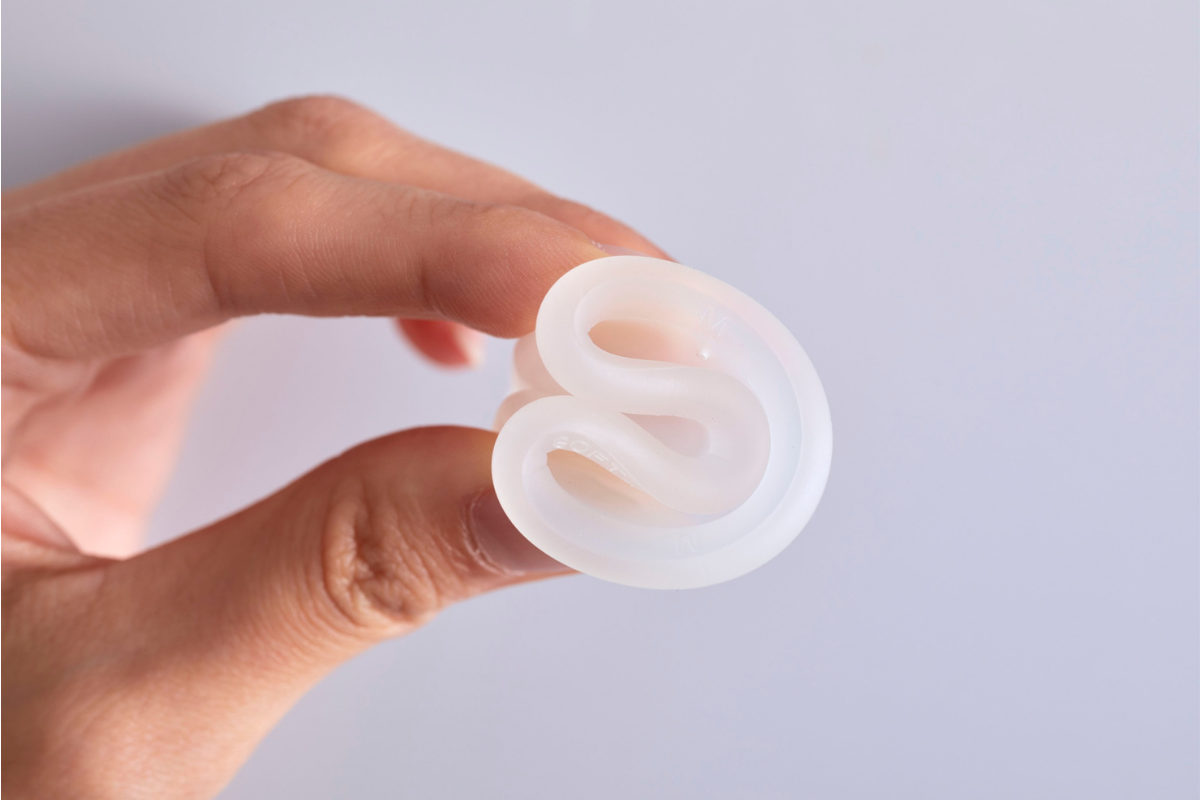 ★ Bake it out first. Since most leaching happens in a new item’s first uses, put a new silicone mat or mould in the oven empty at about 180°C for two hours, cool it, then do this another couple of times so that it has had 3 gos in the oven, and in theory all the leaching has happened.
★ Buy the good grade. Choose “food-grade” or “platinum-cured” silicone. Cheap filler-heavy silicone turns white when you pinch and twist it; quality silicone keeps its colour.
The zero – leach option
Glass and stainless steel release essentially nothing at any temperature, so they’re the choice for high-heat baking and for storing oily or acidic food. Silicone is the bendy, shatterproof, baby-safe middle ground between them and plastic.
Silicone leaches far less than plastic and sheds no microplastics, but it isn’t nothing: the siloxanes it can release are flagged endocrine disruptors in animals, mostly at high heat and in a new item’s first uses. Stay below 230°C, bake new pieces out first, buy food-grade, and reach for glass or steel when you’re going really hot or really oily.
Hopefully, this helps you work out what to do with those silicone baking items. I’m going to keep using them, just going to make sure the temp isn’t too high.

About Hoopsy
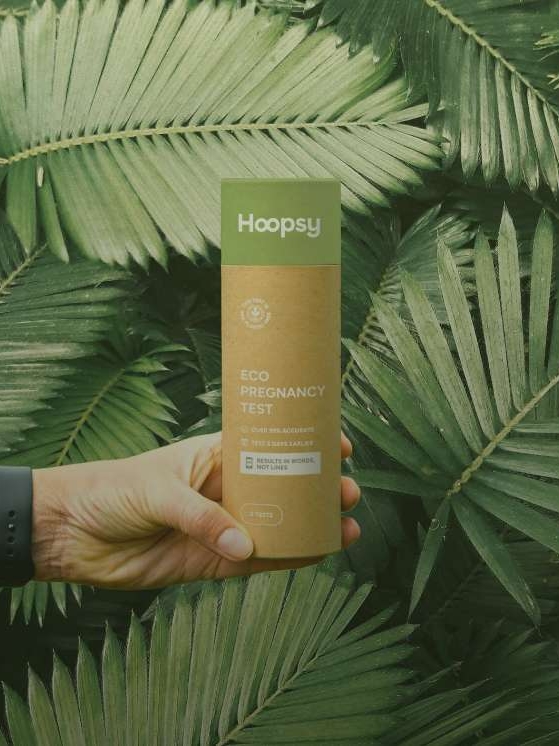
Hoopsy is on a mission to make healthcare more sustainable—starting with eco pregnancy test kits. Our plastic-free, paper-based hCG pregnancy test strips reduce waste without compromising accuracy. We believe better health starts with better choices—for you, and for the planet.
Learn More About…