

PLASTIC-FREE SWAP GUIDE FOR EVERY HOME
Plastic has become part of almost everything we use, largely because of its undeniable convenience. However, the concerns surrounding its widespread use are becoming increasingly difficult to ignore. Many plastic products contain chemicals that have raised concerns about their potential effects on human health. The good news is that living with less plastic doesn’t mean giving up convenience or replacing everything you own. It means making more informed choices about the products we use every day for healthier living. Our Plastic-Free Swap Guide brings together carefully selected plastic swap recommendations across all areas of your home.
WHAT DOES OUR PLASTIC-FREE GUIDE CONTAIN
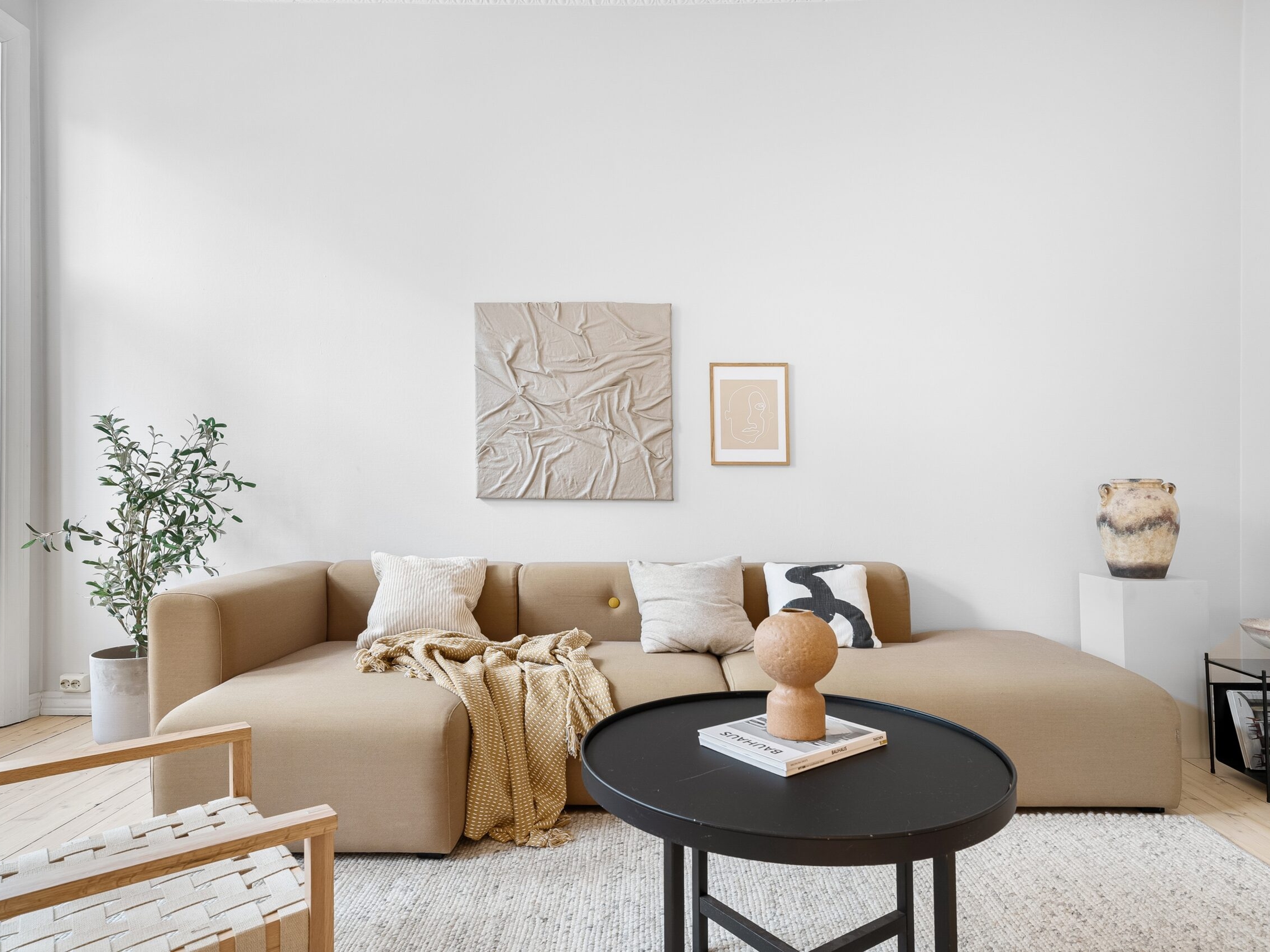
The living room is one of the most frequently used spaces in the home, and many of the products found there contain plastic in one form or another. Explore simple alternatives for essentials, décor, and everyday use that can help you create a healthier living space.

Your bedroom should be a comfortable and healthy place to relax, and the everyday products around you are worth a second look. From bedding to accessories, discover practical alternatives to common plastic items and simple ways to make your personal space healthier.

Creating a comfortable space for your little one comes with plenty of decisions, and choosing products can sometimes feel overwhelming. Our baby room guide provides alternatives to commonly used plastic items, with recommendations to help you make informed choices while keeping your baby’s comfort, safety and needs in mind.

From food storage and cooking to cleaning and serving, plastic finds its way into many parts of our daily kitchen routines. Find out practical alternatives to everyday plastic kitchen products, along with healthier recommendations.
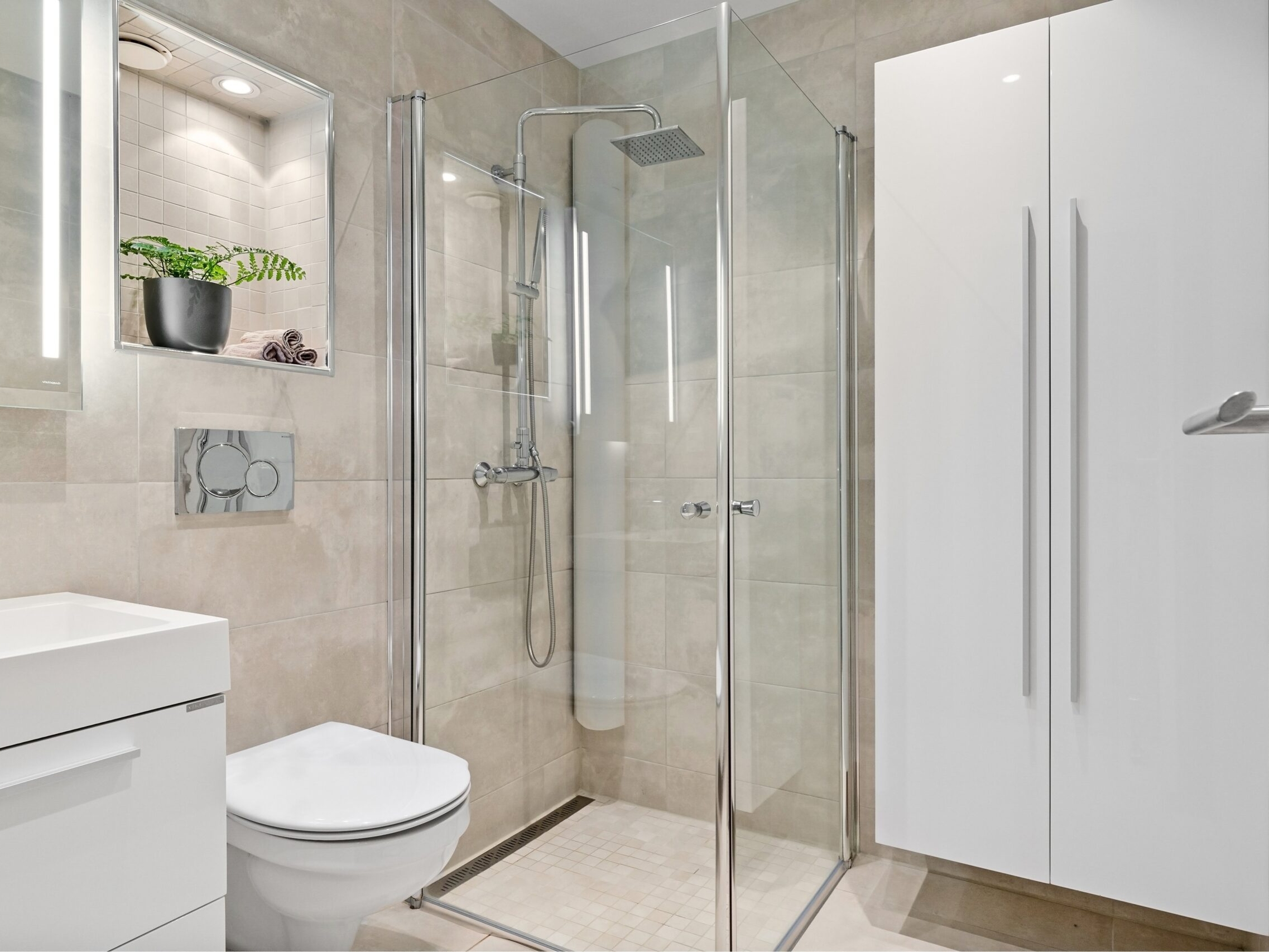
Our bathrooms are filled with products we make use of every day, from personal-care essentials to cleaning accessories and storage items. Explore simple ways to reduce plastic in your bathroom routine and discover alternatives that are practical, healthier and suitable for everyday use.
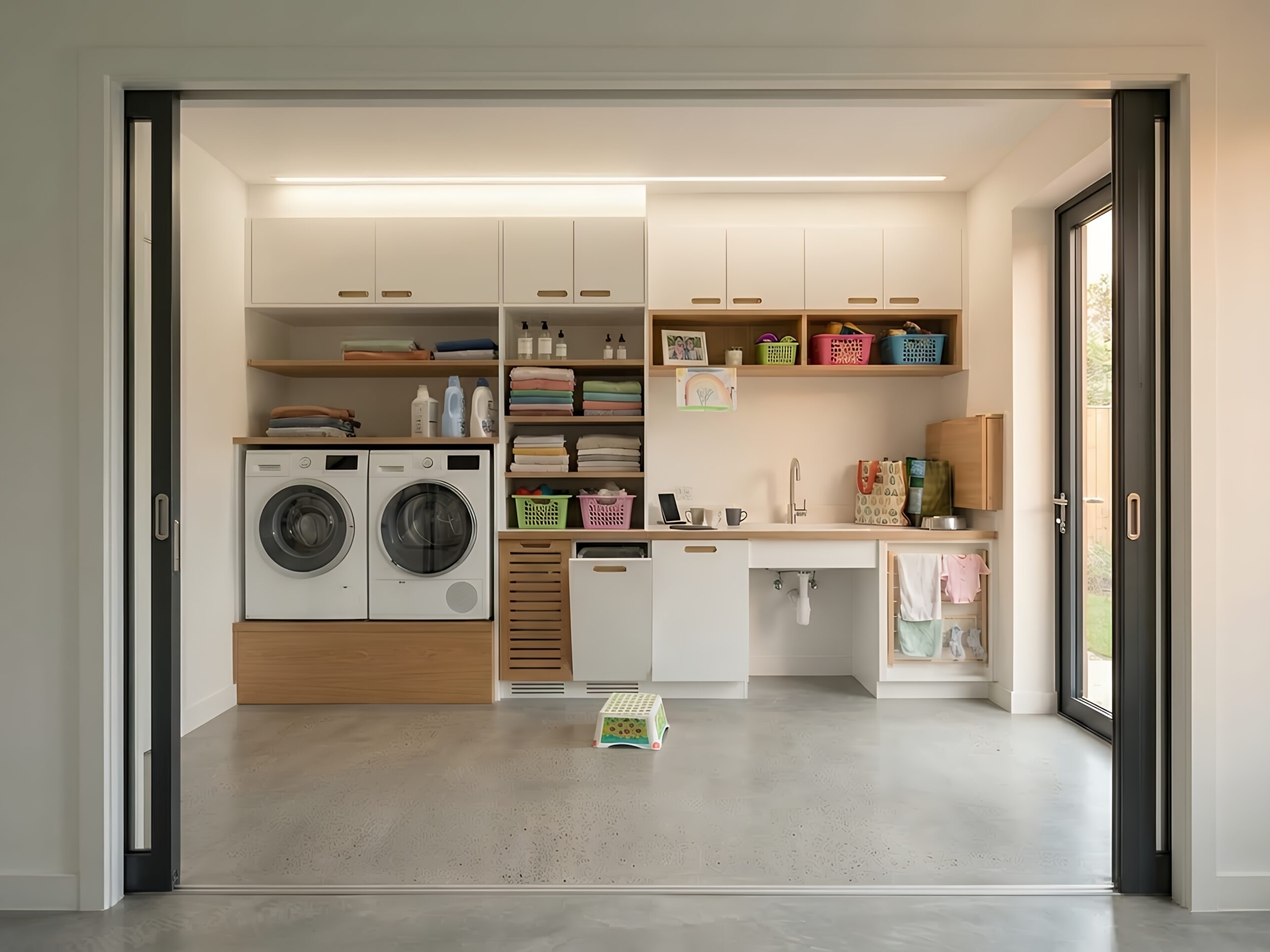
Laundry is part of our everyday routine, but many of the products we use to care for our clothes come in plastic packaging or contain synthetic materials. From laundry detergents and fabric softeners to washing accessories and storage, there are simple alternatives worth exploring. Find out practical ways to reduce plastic in your laundry routine with recommendations that make everyday washing a little more conscious.

Reducing plastic use doesn’t have to stop indoors. Whether you’re outside gardening, relaxing or enjoying time with family, there are everyday outdoor products worth reconsidering. Discover useful alternatives and recommendations that can help make your outdoor spaces more mindful of plastic use.
WHY DO YOU NEED TO USE LESS PLASTIC PRODUCTS
A lot of plastic and scented products we use everyday contain chemicals such as phthalates, BPA and PFAS, which can act like hormones in the body. These chemicals can leach into food and drinks, especially when plastic is heated or comes in contact with fatty or acidic foods. Research has linked them to hormone disruption, lower sperm quality and reduced fertility. A large US National Institutes of Health study of over 6,000 women found that higher phthalate levels were linked to a greater chance of preterm birth. The American College of Obstetricians and Gynecologists (ACOG) now advises women to limit exposure before and during pregnancy, including not heating food in plastic and checking personal care products for phthalates and hidden fragrance. The same care applies to intimate health, where doctors advise against fragranced washes and douches because they can upset the vagina’s natural balance. The good news is that small, simple swaps, like glass and stainless steel containers, wooden utensils, cotton fabrics and fragrance-free products, can lower your exposure. These changes are kind to your body at every stage, whether you’re trying to conceive, expecting, or caring for yourself after birth.