
You have probably been worrying all day how long after my missed period do I take a pregnancy test. If your period is late, the temptation is to test immediately. That’s fine, but knowing why timing matters saves you from a confusing result.
Pregnancy tests detect hCG, a hormone that appears in early pregnancy once an embryo has implanted. Implantation usually happens 6 to 12 days after ovulation, and hCG takes another couple of days to reach a level a home test can pick up. That gap is why a test on the day your period is due works for most people, while a test three days before often doesn’t.
How Long After a Missed Period Do I Test?
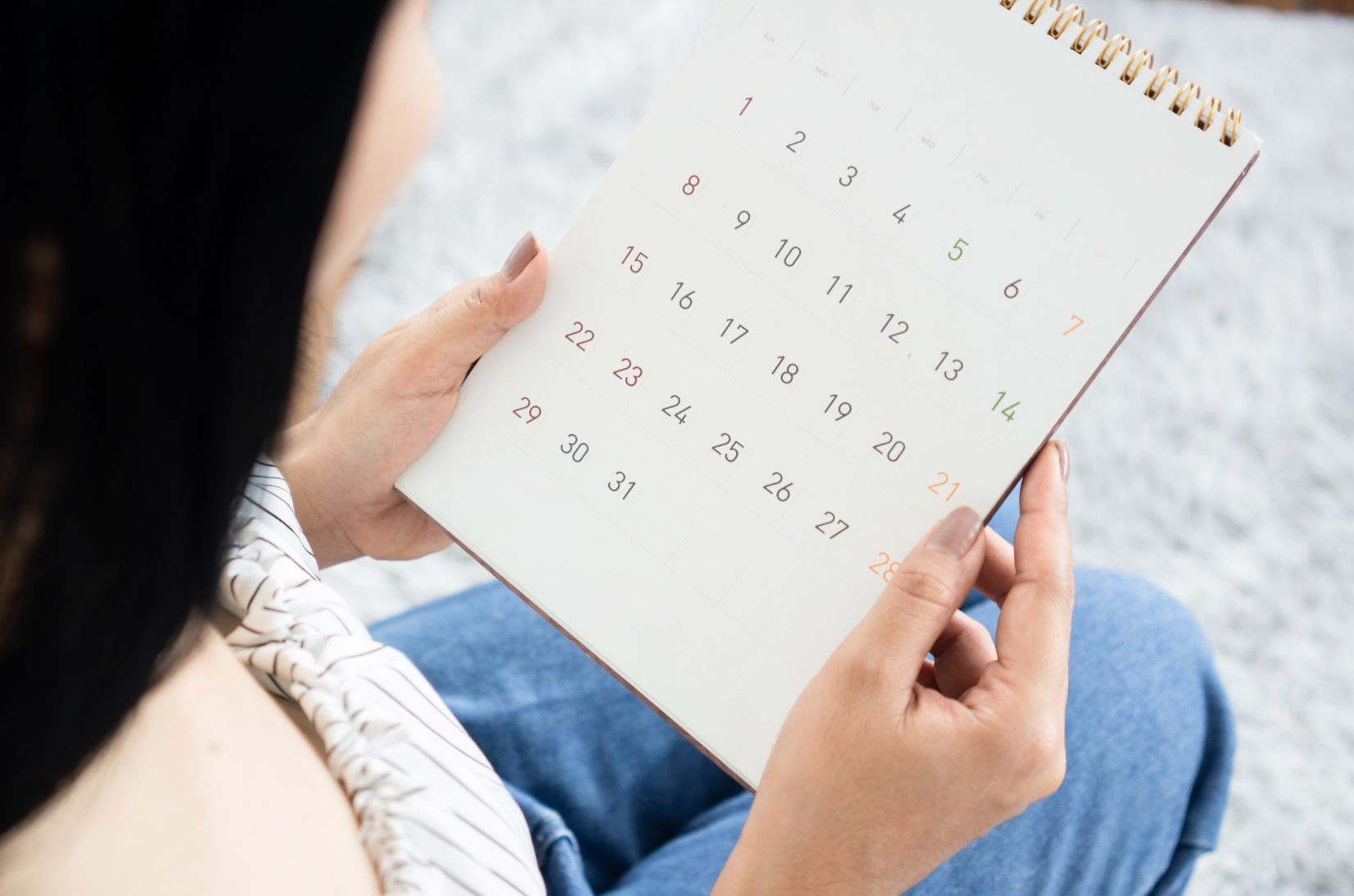 The practical answer: test from the day your period is due. If that’s negative and your period still hasn’t come, wait two to three days and test again, using your first pee of the day. In early pregnancy, hCG typically doubles every two to three days, so a negative on Monday can be a clear positive by Thursday.
If you’re testing earlier than your period is due, use a sensitive test (often called early detection) and follow the instructions carefully. Testing early isn’t wrong; it just shifts the odds towards a negative you’ll need to repeat.
What if your period is late and you keep getting negatives? There are several ordinary reasons. Ovulation can be delayed by stress, illness, travel, or coming off hormonal contraception, which pushes your period back without meaning you’re pregnant. If you’ve recently stopped the pill, cycles can take a few months to settle. Our page on that covers it.
If your period is more than a week late with repeated negative pregnancy tests, that’s worth a conversation with your doctor rather than more tests.
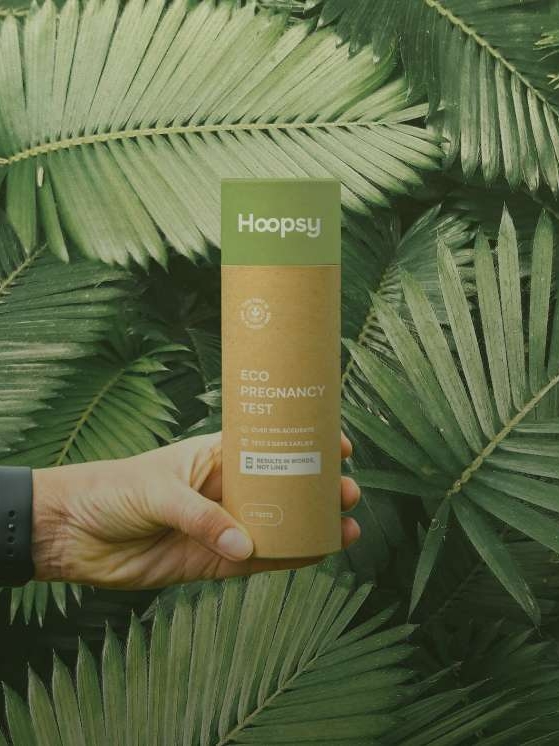
Hoopsy’s 2-pack Eco Friendly pregnancy test is 99%+ accurate from the day your period is due, and 99% plastic-free.
About Hoopsy
Hoopsy is on a mission to make healthcare more sustainable—starting with eco pregnancy test kits. Our plastic-free, paper-based hCG pregnancy test strips reduce waste without compromising accuracy. We believe better health starts with better choices—for you, and for the planet.
Learn More About…