

Not trying. Just checking.
Maybe you have no plans for a baby. Maybe you do want children one day, but that day is definitely not today. Or perhaps you simply want to know whether you’re pregnant, rather than keep wondering.
For you, monthly pregnancy testing isn’t about waiting for a positive. A negative might be the result you’re hoping for, and the chance to put that particular question to bed.
That’s the thinking behind monthly pregnancy testing for some women. It can be a personal check-in, rather than part of trying for a baby. But a helpful routine needs the right timing, too. A date on the calendar doesn’t automatically make a result reliable.
Why do Monthly Pregnancy Testing when you’re not trying to get pregnant?
 To answer the background “what if?”
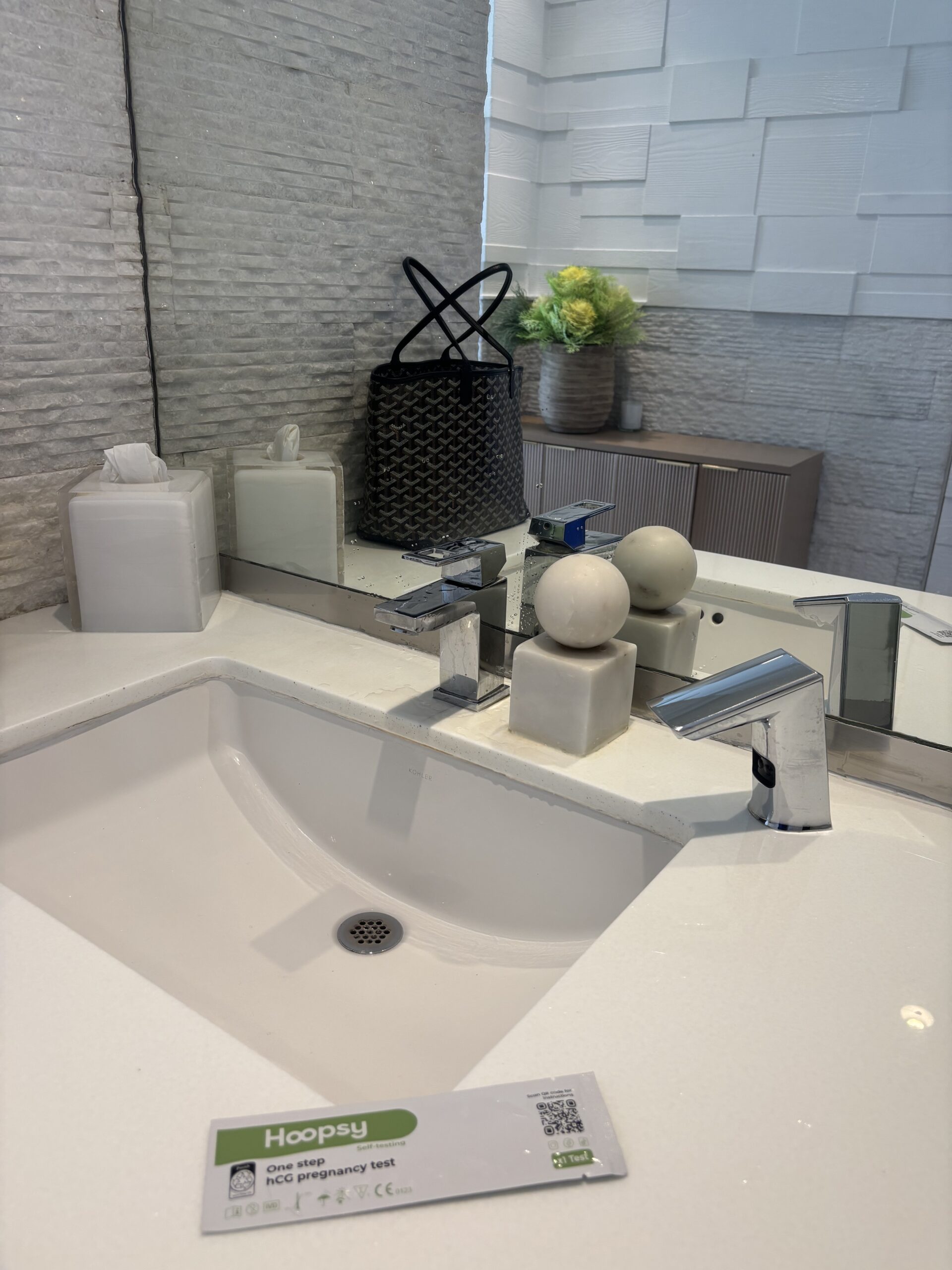
You can be getting on with your day and still have a small, annoying question running through your head: could I be pregnant?
You don’t have to be hoping that you are pregnant to want an answer. If you think you might be, a correctly timed test can give you more useful information than repeatedly wondering about it. For some women, having a plan for when to test feels easier than deciding from scratch each time.
Because “wait for a missed period” isn’t always a simple plan
If your cycle is unpredictable, you may not have a neat date circled in your diary. Without that familiar monthly signal, you might prefer a planned check rather than trying to work out whether you’re late.
The important part is knowing what that check can tell you. If you don’t know when your period is due, the NHS advises testing at least 21 days after the last time you had unprotected sex. A monthly reminder can help you remember, but it doesn’t replace that timing.
To know where you stand
Perhaps you would rather take a test at home, in your own time, than worry about it. You don’t need to turn it into a big event or explain what result you’re hoping for.
Knowing can also help you decide what support to seek next. If the result isn’t the one you wanted, you deserve clear information and care, without judgement.
Because contraception and reassurance are different things
You might use contraception and still occasionally want to check. That doesn’t mean your contraception has failed. It means you want an answer to a question.
The NHS explains that no contraceptive method is completely effective, and the hormones in the contraceptive pill won’t stop a pregnancy test from working. If you’re worried about a missed pill, a broken condom, or how to use your method, a pharmacist or sexual health service can advise on that specific situation. Testing is not a replacement for contraception.
Do you need to take a pregnancy test every month?
No. A monthly test isn’t a rule everyone needs to follow. It may work for you if it is possible that you are pregnant and a planned check feels useful. It may not be something you need or want at all.
Peace of mind is personal. For one woman, a reminder might make the question feel manageable. For another, repeated testing might keep the worry going. You don’t have to test more often just because someone else does.
If checking is becoming constant, expensive or hard to stop, or a negative result never feels reassuring, it’s worth talking to your GP about the worry itself. You deserve support, rather than feeling you have to keep proving the same thing to yourself.
Timing matters more than picking a monthly date
A test taken too early can be negative even if you’re pregnant. According to NHS pregnancy-testing guidance:
- Most tests are most reliable from the first day of a missed period.
- If you don’t know when your period is due, test at least 21 days after you last had unprotected sex.
- If your result is negative but you still think you could be pregnant, wait a few days and test again. Speak to your doctor if a second test is negative and your period still hasn’t arrived.
Follow the instructions supplied with your test, including when to read the result. If you’re using a Hoopsy test, use the Hoopsy instructions in your pack.
A negative result today cannot rule out a pregnancy from sex that was too recent for the test to detect. If you have sex again after testing, that earlier result doesn’t cover the later occasion. And if your period is late or you have a specific concern, don’t wait for your next monthly reminder.
When not to wait for a test
If you’ve recently had unprotected sex or think your contraception failed and you don’t want to become pregnant, contact a pharmacist or sexual health service promptly. Emergency contraception needs to be used within 3 to 5 days, depending on the method. Don’t wait for a pregnancy test to become reliable before asking for help.
Get urgent medical advice if pregnancy is possible and you have one-sided lower tummy pain, unusual bleeding or shoulder-tip pain, even without a positive test. Sudden severe tummy pain with dizziness or fainting needs emergency help. The NHS explains these possible warning signs of an ectopic pregnancy.
What if the result is positive?
You don’t have to have all the answers immediately. Your doctor or sexual health service can talk through your next steps confidentially, including your options if you’re not sure you want to continue the pregnancy.
Just checking is a valid reason
A pregnancy test doesn’t have to come with baby names, excitement, or a plan to conceive. Sometimes the reason is simply: “I want to know.”
If a monthly check works for you, let it be a useful reminder, not a promise that one negative result covers the whole month. Test at the right time, know what to do next, and choose the routine that helps you rather than adds pressure.
Not trying. Just checking. And hoping to get on with your day.

About Hoopsy
Hoopsy is on a mission to make healthcare more sustainable – starting with an eco pregnancy test. Our 99% plastic-free, paper-based midstream hCG pregnancy tests reduce waste without compromising accuracy. We believe better health starts with better choices – for you, and for the planet.
Learn More About…