
Okay, pull up a chair, because there’s way more to this than “show up, leave a sample, get paid.” How you donate, who you donate to, and even how the baby actually gets made all change the picture massively, including whether you walk away clean or end up legally on the hook for child support for the next eighteen years.
Why do you actually want to be a sperm donor?
Be honest with yourself here, because your reason points you straight to the right route.
1) You want some extra money and zero strings. Cool, that’s the sperm bank route. Skip down to Route 1.
2) You want to help a specific friend or couple you love. Beautiful. That’s a “known donation,” Route 2, and it’s where the legal stuff gets real.
3) You want to help people you’ll never meet, but on your own terms. That’s either a sperm bank, or finding a recipient yourself online, Route 3.
Or you actually want to be in the kid’s life. That’s co-parenting, and it’s a totally different deal, or maybe you’re curious about your own health and genetics. Genuinely valid bonus, and the bank route hands you a free, detailed work-up. More on that in a sec.
Route 1: Donating through a sperm bank
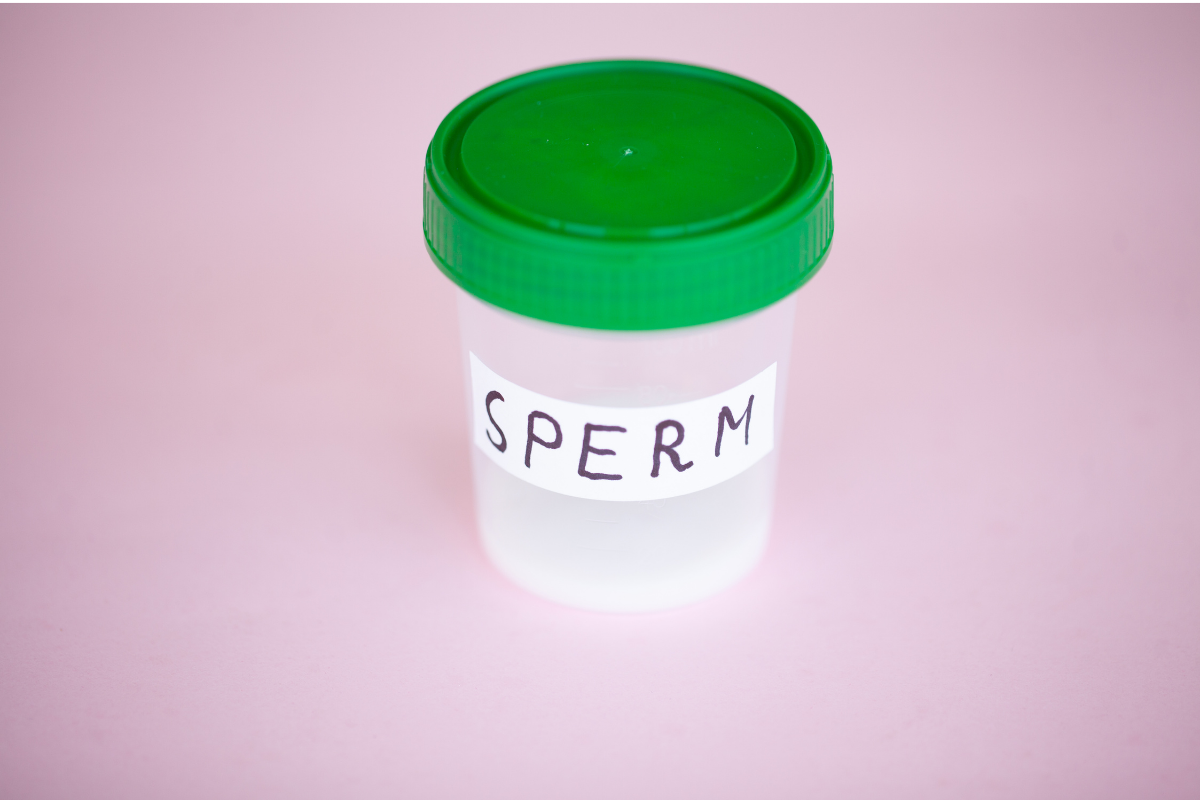
 This is the classic one. You go to a licensed sperm bank, get screened to bits, and if you pass, you donate sperm regularly and get paid a little while your samples go to families you’ll never meet. Does it cost YOU anything? No. The opposite, actually. This surprises people. At a legit bank, all the testing and screening is free to you. They foot the bill for the infectious-disease panel, the genetic screening, the physical, everything, because they need it done to sell your samples. On top of that, they pay you for each sample that passes, somewhere around $100 to $200 a pop, and consistent sperm donors can clear roughly $950 to $1,500 a month. Several banks also throw in free physicals and referral bonuses.
Sneaky bonus: You learn a ton about your own body. That free genetic screening can cover anywhere from 175 to 400-plus genes, so you walk away knowing whether you’re a silent carrier for inherited conditions, plus a clean read on your fertility and STI status. Lots of guys become a sperm donor part for the cash and in part of the free screening.
Here’s the catch: getting in is HARD. The top sperm banks accept fewer than 5% of applicants. Most men get cut at the very first step because their sperm have to survive being frozen, thawed months later, and still swim. That’s a higher bar than just being able to father kids through sex.
How to find a Sperm Bank
Search for licensed sperm banks near you (you usually need to live within driving distance, often around 50 miles, because of the weekly visits). Then it’s genuinely simple: most banks have an online application that takes about 10 minutes. You fill it in, and if you pass the basic checks, they email or call you (usually within a couple of weeks) to book a test-sample appointment. From there it’s history, bloodwork, the lot. If you’re accepted, you commit to weekly or twice-weekly visits for about 6 to 12 months, no ejaculating for 2 to 4 days before each one, and your samples sit frozen in quarantine for six months before they retest you and release them. One thing to know is that lots of banks now do “open ID,” meaning a child born from your donation can request your info at 18 and maybe reach out. And honestly, even “anonymous” isn’t really anonymous anymore, not with 23andMe in half the country’s living rooms. If a stranger with your DNA showing up on your doorstep in 18 years would wreck you, this isn’t your path.
Quick pros and cons of being a sperm donor via a sperm bank:
★ Pros: costs you nothing, pays you, free health and genetic insights, and the spermbank handles all the legal and medical heavy lifting, so you’re fully protected from parental claims.
★ Cons: hard to get into, it’s a months-long commitment, modest pay, and you have zero say over who uses your sample or how many children will come from your donation. Although many states have set rules on how many children one sperm donor can father.
Route 2: Donating to a friend or couple you know
This is the warm, generous one, and also the one where nice guys get burned. Maybe it is a friend who can’t conceive, or a lesbian couple you know wants a baby, and they ask you. Helping someone you love beats being a catalog number. But you’ve got two big decisions to make here, and getting them wrong is expensive.
Decision 1: How does the egg get fertilized?
There are three methods, and they are NOT equal.
 1. At a clinic (IUI or IVF). The clinic “washes” your sperm and a professional places it directly into the woman’s uterus (this is called IUI), or uses it for IVF, where the egg is taken out of the woman and fertilized in a dish before being put back into the uterus fertilized. The success rate is around 18% per cycle for IUI in women under 35. IUI is the gold standard, both medically (sterile, monitored) and legally (more on that below) in terms of fertilisation. The downside is cost, and it’s usually the recipient who pays the clinic, not you.
2. At-home artificial insemination (ICI). This is the “syringe or soft cup” method, where the sperm is placed near the cervix at home, no needle, no doctor. It’s cheap and simple, with success around 10 to 15% per cycle under 35. But heads up: do not try to DIY a proper IUI at home, because that needs washed sperm and sterile equipment, and unwashed sperm shot into the uterus can cause serious cramping and infection. At-home, stick to ICI; there are several over-the-counter solutions you can get, one is Bea Fertility.
3. Natural insemination (NI), aka actual sex. Some “donors” online push this. I’m going to be blunt: for a sperm donor, this is a bad idea, whatever way you look at it. It’s the highest infection risk, it’s emotionally loaded, and legally it’s the nuclear option, because a child conceived through sex makes you the legal father, full stop, no contract on earth changes that. If anyone offering or requesting “donation” insists on NI, that’s a giant red flag and usually means they’re after something other than a baby. Walk away.
Decision B: the legal setup
This is the part people skip and then regret. We’ll cover it in its own section below, because it applies to Route 3 too. Short version: use a clinic, get a lawyer-drafted agreement, and never NI. If you donate sperm through a clinic, the recipient typically covers the clinic fees and your required testing. If you go the at-home route, there’s no clinic bill, but you also lose the clinic’s legal and medical protections. Helping out a friend it is recommended that you do your own STI and genetic testing. Usually, the person who wants the sperm pays for this, but it is something you can arrange between you.
Quick pros and cons to helping a friend:
★ Pros: you’re helping someone you actually love, you can have an agreed (limited) relationship if everyone wants that, and it can be deeply meaningful.
★ Cons: the legal exposure is real if you cut corners, it can strain the friendship, and the medical safety is on you to arrange.
Route 3: Donating to a stranger you find yourself
There are websites and registries where would-be parents and donors find each other directly, outside the bank system. People use them to help someone in a more personal way than a catalogue, sometimes with the option of future contact. Here’s my honest take: this is donating to a friend with the safety rails removed. You’re trusting a stranger’s word on their intentions, and (in reverse) they’re trusting yours, with no sperm bank vetting anyone. The same legal rules apply (you can absolutely be chased for child support), plus you’ve now got scam risk, safety risk, and a higher concentration of the NI-pushers I mentioned. If you still want to do it, treat it like the friend route on hard mode: insist on a clinic for the actual insemination, get full testing on both sides, get a lawyer-drafted agreement, meet in safe public settings first, and never, ever agree to NI. If those conditions are dealbreakers for the other person, that tells you everything.
Quick pros and cons:
★ Pros: you choose who you help, more personal than a sperm bank, possible ongoing contact if everyone wants it.
★ Cons: no vetting, scam and safety risk, full legal exposure, and you’re relying on a stranger’s honesty about their health.
The legal stuff for you the Sperm Donor
Under USA law, “sperm donor” and “father” are not automatically the same thing. But whether you count as a protected donor or a legal dad depends on HOW you did it and WHICH STATE you’re in. Legal experts straight up say the states vary wildly. The patterns that matter:
1. A clinic or doctor usually protects you. DIY at home usually doesn’t. Many state laws only strip a donor of fatherhood if the insemination went through a licensed physician or clinic. Do it yourself at home, and in a lot of states, that legal shield never switches on, which means you can be ruled the legal father.
2. A signed contract is NOT a magic force field. Famous Kansas case: a man named William Marotta answered a couple’s Craigslist ad, donated sperm, signed away all rights and responsibilities, and they inseminated at home. Years later, the state came after him for child support and won, because no physician was involved. The contract didn’t save him, because courts often say a parent can’t “bargain away” a child’s right to support.
3. Conceiving through sex makes you the dad, period. No donor status, no protection, ever.
4. Acting like a parent creates liability. Courts lean toward making known donors pay when the donor has built a real relationship with the child. You generally have to pick a lane: hands-off donor, or involved parent, not a fuzzy in-between.
5. Some states protect you better. Places like California use modern, intent-based laws where donating through a physician keeps you off the hook. So this isn’t “never help a friend,” it’s “you cannot wing this.”
A Checklist for Becoming a Sperm Donor Safely
★ Use a clinic or licensed physician for the insemination. Don’t DIY.
★ Get a real known-donor agreement drafted by a family or reproductive lawyer, not a free internet template.
★ Have the non-biological parent lock in legal parenthood (for example, a second-parent adoption), and keep your name off the birth certificate.
★ Talk to a lawyer in the recipient’s state, because that’s the law that applies.
Just a note here, I’m laying out how the system generally works, not giving you legal advice for your exact situation. A reproductive-law attorney does that part. It’s the cheapest insurance you’ll ever buy.
Sperm Donor Testing
If you go through a bank, this is handled and free. If you’re donating to a friend or a stranger, do not relax just because you trust them. There’s no bank standing between you and accidentally handing someone you care about an infection, or passing a genetic condition to their future kid.
Get the full panel, the same stuff the banks run: HIV, hepatitis B and C, syphilis, chlamydia, gonorrhoea, HTLV, and CMV. Then add genetic carrier screening for both of you, so you’re not quietly carrying the same recessive condition, which is where a lot of preventable heartbreak comes from.
One technical note if you use a clinic: known donors (the FDA calls you a “directed donor”) get tested within about 7 days of donating, and unlike anonymous bank donors, you’re not legally required to freeze and wait six months to retest. You can ask to do that freeze-and-retest anyway for extra safety, which is smart if
there’s any chance of recent exposure, since some infections hide in an early “window period.” There’s a narrow carve-out for a “sexually intimate partner,” but a friend helping out isn’t that, so plan on the full workup.
What if you actually WANT to be in the child’s life?
Totally valid, and it’s the forgotten option: co-parenting. You donate to, say, a close friend with the understanding that you’ll be an involved parent or known “uncle/dad.” The honest tradeoff: the same tools that protect a hands-off donor (clinic, waiver, off the birth certificate) are exactly what you’d be giving up. If you want rights to see the child, you usually take on responsibilities too, including potential child support. That’s not bad, it’s just a different deal, so get a co-parenting agreement drafted just as carefully, spelling out custody, money, decisions, and what happens if everyone falls out.
What is going to work best for you?
★ Want money and no ties? Sperm bank. Free to you, modest pay, fully protected, hard to get into.
★ Want to help someone you love? Known donation, but only done right: clinic insemination, lawyer-drafted agreement, full testing, never just having sex
★ Want to help a stranger directly? Same rules as a friend, on hard mode. Vet hard, protect yourself harder.
★ Want to actually be a dad? Co-parenting, with eyes open and a real agreement.
Can you make easy money being a sperm donor? Sort of, but only at a sperm bank, and only if you’re in the lucky few who pass. Can you help a friend or stranger build a family? Absolutely, and it can be one of the most generous things a person ever does, but the horror stories almost always come from skipping the same three steps: a clinic, a lawyer, and proper testing. Do those, never just have sex to help someone out, and you get to give someone the family they’ve been dreaming of without it quietly becoming your problem down the line.

About Hoopsy
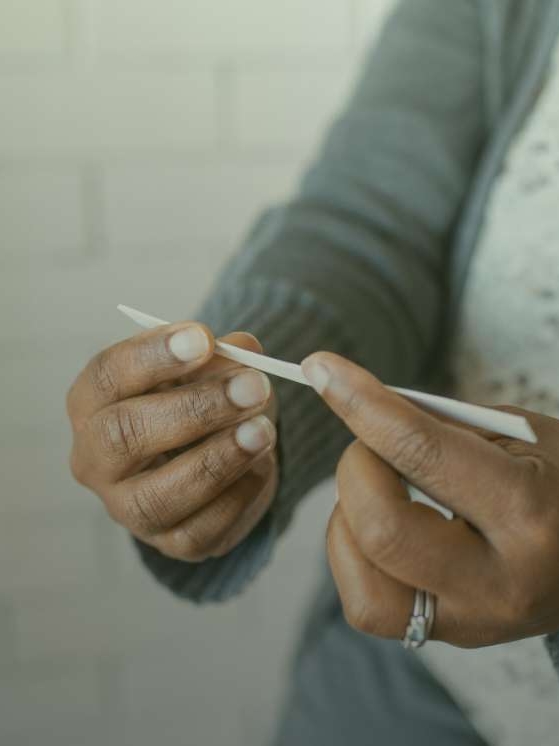
Hoopsy is on a mission to make healthcare more sustainable—starting with eco pregnancy test kits. Our plastic-free, paper-based hCG pregnancy test strips reduce waste without compromising accuracy. We believe better health starts with better choices—for you, and for the planet.
Learn More About…