
 If you are trying to conceive, you are probably juggling a lot already tracking ovulation, taking supplements, having sex when you’re not really in the mood, and wondering if you’re doing everything right. On top of that, there is often a quiet question in the background: how can you reduce toxins and create a healthier environment for your future baby?
You look around your home, at the plastic containers, scented candles, take away coffee cups, mystery ingredients in your skincare, and it can suddenly feel… a lot.
This blog is for you if:
- You’re trying to conceive (TTC) or thinking about it.
- You keep hearing the word “toxins” and aren’t sure what’s real.
- You want clear, doable steps not a complete life overhaul.
What I am sharing here is based on a brilliant resource called The Healthy Pregnancy Guide, created by MADE SAFE and Plastic Pollution Coalition. It’s a deep dive into how to prep for a healthier pregnancy and planet but I am going to translate it into normal, best friend language, and skew it specifically for the preconception phase.
You don’t need to be perfect. You don’t need a whole new life. But you can make simple, powerful shifts that support your fertility, your future baby, and the planet they’ll inherit.
Why Starting Before You’re Pregnant Matters More Than You Think
Here’s something that blew my mind when I first read the guide: your baby’s development is described as a “highly choreographed dance.” At specific moments during pregnancy, different organs and systems are “on stage” heart, brain, nervous system, limbs each with their own “critical window of exposure,” where they’re extra sensitive to what you’re exposed to.
Now the kicker: some of those crucial windows start before you even know you’re pregnant.
That means what’s in your body and environment in the months leading up to conception can matter for:
- Egg quality
- Sperm quality (for your partner)
- The earliest days of embryo development
The guide also points out something we don’t talk about enough: low doses of certain chemicals especially endocrine‑disrupting chemicals (EDCs) can be more harmful than bigger doses. The old “the dose makes the poison” idea just doesn’t hold up for a lot of modern chemicals, especially ones that mess with hormones.
So no, you don’t need to panic about every exposure you’ve ever had. But yes, there is real power in starting to reduce your toxic load now, before there are even two lines on a test.
A Quick Nerdy Detour (In Normal Language): Your Hormones Are The Choreographer
Think of your body like a stage. The baby’s developing organs and systems are the dancers. The choreographer, quietly whispering instructions, is your endocrine system your hormones.
Hormones control almost everything important in this story:
- Ovulation and your cycle
- Implantation
- Growth and development of your baby
- Metabolism, mood, energy, and more
They work in tiny, whisper level amounts. They’re not yelling. They’re more like a soft cue: “okay, now release the egg,” “now thicken the uterine lining,” “now grow this part of the brain.”
Now imagine a bunch of random people wandering onto the stage and shouting conflicting instructions. That’s what endocrine‑disrupting chemicals (EDCs) do. They:
- Mimic your hormones
- Block your hormones
- Or generally throw the choreography off
The guide calls out some of the most common EDCs and where we meet them:
- Phthalates – in many plastics, vinyl, fragranced products
- BPA and other bisphenols – in plastic, can linings, some receipts
- Brominated flame retardants – in some furniture, mattresses, and even recycled plastic items
- Parabens – in personal care and cosmetics
- Some pesticides – in conventional food, home and yard sprays
For fertility, this matters. You’re asking your hormones to juggle very precise tasks. EDCs are like background noise they don’t need.
Epigenetics: Why Your Life Before Pregnancy Is Part Of The Story (But Not The Whole Story)
The guide also talks about epigenetics, and I promise this is simpler than it sounds.
Your genes are like the text in a book. Epigenetics is like sticky notes and highlighters that say:
- “Read this bit louder.”
- “Whisper this part.”
- “Skip that line for now.”
Those sticky notes can be influenced by:
- What you eat before and during pregnancy
- Your stress levels, trauma, and how safe/supported you feel
- Your exposure to toxic substances
And here’s the wild bit: those epigenetic markers don’t just affect you—they can influence your baby and even your grandchildren.
The research is still evolving, but the takeaway is empowering: things like good food, less exposure to certain chemicals, real rest, and emotional support aren’t “extras.” They’re part of how your body writes the first pages of your baby’s story.
And if you’re thinking, “I wish I’d known this earlier,” the guide is very clear: don’t get stuck there. You did the best you could with the information you had. Start where you are. Every shift from here onward still counts.
Big‑Picture Rules To Live By When You’re TTC
The guide includes “Big Picture Tips for a Healthier Pregnancy,” and honestly, they’re perfect TTC rules too. Let’s translate them into everyday, realistic moves.
1. Refuse single‑use plastic (especially around food and drink)
Single‑use plastics are things like:
- Take‑away coffee cups and lids
- Straws and cutlery
- Zip‑top bags and plastic wrap
- Bottled water and soft drinks
- Plastic grocery and produce bags
Plastics like these can contain chemicals linked to infertility, obesity, diabetes, cancers, and early puberty.
What you can do:
Choose one swap to start:
- Stop buying bottled water and use a reusable bottle.
- Or always bring your own coffee cup.
- Make yourself a small “to‑go kit”: reusable bottle, coffee cup, straw, cutlery, and a cloth napkin in your bag or car.
- Pick the loose produce instead of the cling‑wrapped version when you have the choice.
You don’t have to be the zero‑waste goddess of Instagram. You just want less plastic in your orbit, especially around things you eat and drink.
2. Ditch plastic in the kitchen especially with heat
The kitchen is plastic central: containers, cutting boards, spatulas, wrap, coffee pods, food packaging, canned food linings. The guide is crystal clear about one thing: do not heat food in plastic, even if it says “microwave‑safe.” Heat makes it easier for chemicals to leach into your food.
Practical changes:
Reheat leftovers on a ceramic plate or in a glass bowl, not in the plastic container.
Don’t pour boiling water into plastic (think instant soups, plastic kettles, etc.).
Gradually replace your most used plastic containers with glass or stainless steel. Reuse jars from pasta sauce, pickles, salsa they are perfect.
Try beeswax or fabric wraps instead of cling film.
And ignore “BPA‑free” as a magic fix. The guide points out that BPA is often swapped for other bisphenols that may have similar problems. Less plastic overall is the goal.
3. Go more natural where your body spends the most time
The guide suggests using “keep it natural” as a shortcut for things like:
- Furniture (wood or bamboo instead of plastic)
- Bedding and clothing (cotton, linen, wool, hemp, silk instead of certain treated synthetics)
- You don’t need to toss everything you own. Think about where your body spends long stretches:
- Bed (mattress, sheets, pillows)
- Sofa
- Pajamas and loungewear
Next time you replace something in those categories, choose a natural option and avoid “stain‑resistant,” “wrinkle‑free,” or “antimicrobial” claims where you can; these often mean more chemicals like PFAS or antimicrobials.
4. Less is more (your products and your stuff)
The guide asks some very honest questions: do you really need ten different cleaners? A complicated 12‑step skincare routine? Another plastic gadget that basically peels carrots the same way a knife does?
For TTC, less is more means:
Fewer products = fewer potentially harmful ingredients
Fewer purchases = less plastic and fewer chemicals entering your home
Try this:
- As products run out, ask, “Do I truly need this?”
- If the answer is yes, swap it for a simpler, safer version.
- If the answer is no, just… don’t replace it.
That alone can massively reduce your daily chemical exposure.
Food And Water: Feeding Fertility, Not Chemicals
Your kitchen as a fertility ally
The guide reminds us that foods can be a source of exposure to pesticides, plastics, and other contaminants—but it’s also clear that simple changes help.
Here’s the TTC‑friendly version:
Go more organic when you can:
Prioritize heavily sprayed crops like berries, leafy greens, potatoes, celery, and many fruits.
If organic is out of budget, wash produce really well and peel the skins from conventional produce with edible peels.
Cook at home more often:
Home‑cooked meals from whole ingredients usually mean fewer additives, less packaging, and more nutrients.
Choose seafood wisely:
Small fish (sardines, anchovies, herring) generally carry less mercury and fewer persistent pollutants than large predatory fish.
Add plant‑based omega‑3 sources like walnuts, flaxseed, chia, and omega‑3‑rich eggs.
Also, think of your current diet as “prenatal practice”: talk with your healthcare provider about nutrients like folate, iron, choline, iodine, and omega‑3s, and start nudging your meals in that direction now.
Water: one of your easiest daily wins
The guide is pretty blunt about water: it can contain lead, pesticides, and other contaminants, and bottled water is usually just municipal water in plastic. The plastic bottle itself can also leach chemicals into your drink.
Your action plan:
- Check your city’s water quality report so you know what you’re dealing with.
- If you can, test your tap water either with a DIY kit or professional testing especially if you live in an older building.
- Use a filter that addresses your local issues (a jug, an under‑sink system, or a shower filter if a whole‑house system isn’t an option).
- Drink mostly filtered tap water from glass or stainless steel, not plastic bottles.
- Staying hydrated supports cervical mucus, circulation to reproductive organs, and general metabolic and hormonal health. Clean water makes that even better.
Your Bathroom Shelf: Quiet Hormone Support (or Sabotage)
The guide says the average woman uses about 16 personal care products a day, and some fragrance blends can contain over 100 different ingredients. That’s thousands of potential chemical exposures daily, many of which we never see because they hide under words like “fragrance.”
Some ingredients build up over time, and certain endocrine disruptors can act at very low doses.
Soap, sanitizer, and something as simple as hand‑washing
Handwashing is one of the simplest ways to reduce exposures (like chemicals from receipts) and germs. But not all soaps and sanitizers are equal. The guide flags ingredients like:
Triclosan and triclocarban (antibacterials)
Isothiazolinone preservatives (e.g., methylisothiazolinone)
Synthetic “fragrance”
Easy swaps:
Choose a gentle, fragrance‑free soap you like, and keep using it often.
Use sanitizer when you genuinely need it, and pick one that’s basically alcohol plus a few simple ingredients, no perfume, no antibacterials.
Hair, nails, and salon visits
Salons can be chemical hot spots: hair dyes, straighteners, perms, nail products, and solvents are often full of ingredients you don’t want to breathe or absorb all the time. The guide strongly recommends avoiding chemical salon treatments during pregnancy.
While you’re TTC, you might choose to:
Stretch out appointments (for example, every 10–12 weeks instead of 6).
Switch to less harsh options (like partial highlights rather than full‑head dye).
Avoid treatments with strong fumes or “smelly” chemicals, especially those used with heat on your scalp.
This doesn’t have to be forever but easing up while you’re trying and in early pregnancy is smart.
Everyday makeup and skincare: small changes, big impact
The guide mentions an eye opening study where teenage girls avoided certain beauty ingredients and saw large drops in those chemicals in their bodies in just three days. That’s how quickly your body can start clearing things when you stop topping them up.
While TTC, look at:
- Retinol (vitamin A derivatives): These aren’t recommended in pregnancy, so it’s easier to phase them out now instead of suddenly stopping them at 4 weeks pregnant.
- Parabens, BHA, BHT: check your moisturisers, serums, and body lotions as they run out and replace them with paraben‑free, simpler formulas.
- Fragrance‑heavy products: shift toward fragrance‑free or minimally scented products, especially for things that go all over your body like lotion.
You don’t need to throw your whole bathroom in the bin. Just upgrade product‑by‑product as you use things up.
Bedroom And Sleep: Where You Spend A Third Of Your Life
Sleep isn’t just you being horizontal. The guide explains that while you sleep, your body does major maintenance: regulating hormones, repairing tissues, and clearing waste from your brain. All of that matters for fertility and later for pregnancy.
Mattresses, bedding, and pyjamas
Common issues the guide highlights:
- Flame retardants in many foam mattresses are linked to altered sexual development, neurodevelopment issues, and adverse pregnancy outcomes.
- VOCs (volatile organic compounds) off‑gassing from foam, glues, and finishes.
- Conventional cotton is grown with heavy pesticide use.
You don’t need to freak out about your current bed, but over time you can:
- Aim for a mattress made with natural materials (latex, wool, organic cotton, steel springs) and without added flame retardants, when you eventually replace yours.
- In the meantime, add a natural topper (like wool or latex) and organic cotton sheets, so your skin is in contact with safer materials for the 7–9 hours you’re there.
- Avoid “stain‑resistant,” “wrinkle‑free,” and “antimicrobial” treatments on bedding or sleepwear they may involve PFAS and other chemicals.
Think of your bed as a little nightly detox space, not a place where your body is dealing with more fumes.
Stress, TTC, And Taking Care Of You
Trying to conceive can be intense. There’s the practical side (appointments, tests, timing) and the emotional side (hope, disappointment, comparisons, fear). The guide’s section on stress and self‑care in pregnancy feels tailor‑made for TTC too.
It explains that:
Stress involves both external stressors (money, work, fertility, care-giving) and internal ones (worry, shame, body image, perfectionism).
Your body needs to complete the “stress response cycle” with things like movement, breathing, laughter, connection even if the stressful situation itself is still there.
Real‑life self‑care (not the fluffy version) can look like:
- Moving your body most days walking, swimming, yoga, dancing in the kitchen.
- Taking deep, slow breaths when you pick up your phone to check another TTC forum.
- Scheduling small pockets of joy that have nothing to do with fertility: reading, gardening, knitting, or a show you love.
- Reaching out to people who feel safe and supportive, not draining.
- Saying no to things that overload you, even if you could technically squeeze them in.
Self‑care isn’t selfish, and it isn’t optional. You deserve a body that isn’t stuck in a stress loop pregnant, trying, or neither.
A Glimpse Ahead: Making Your Life Baby‑Friendly Now
The guide ends with a “welcoming your little one” section that’s very much about extending all of this into the fourth trimester and beyond. But the smart move is this: start now, and you won’t have to reinvent everything later.
Things your future baby will thank you for:
Less plastic, especially around food and drink: whatever you’re using now for yourself will likely be used for them too bottles, food containers, cups.
Safer kitchen, cleaning, and laundry products: these directly touch baby’s skin, bottles, dishes, floor, and clothes.
A calmer, lower‑chemical sleep space: your bed now, their crib later same principles.
When you build these habits during TTC, pregnancy becomes “more of the same” instead of a chaotic sprint to change everything at once.
Start Small, Start Now, Start Where You Are
I know this is a lot. But here’s what the guide and the science behind it comes back to again and again: small changes are powerful.
When teenage girls in one study simply avoided certain cosmetic ingredients, their body levels of those chemicals dropped in just three days. Another study found that women who reduced plastic exposures saw decreased estrogenic activity in their bodies. Your body wants to help you; it just needs fewer obstacles.
If you’re trying to conceive, here’s a simple way to start:
This week: stop heating food in plastic; drink filtered water from glass or stainless.
This month: switch to fragrance‑free laundry detergent and a gentler, fragrance‑free soap; phase out your most chemical‑heavy beauty products as they run out.
This season: start choosing more organic or less‑sprayed produce, move your body regularly, and give yourself permission to rest and say no.
You don’t have to do everything. You do not have to do it perfectly.
Every time you choose the safer option even once you’re nudging your body and your home in a kinder direction. That matters for your fertility, your future pregnancy, your baby, and honestly, for you as a person who deserves to feel good in her own life.

About Hoopsy
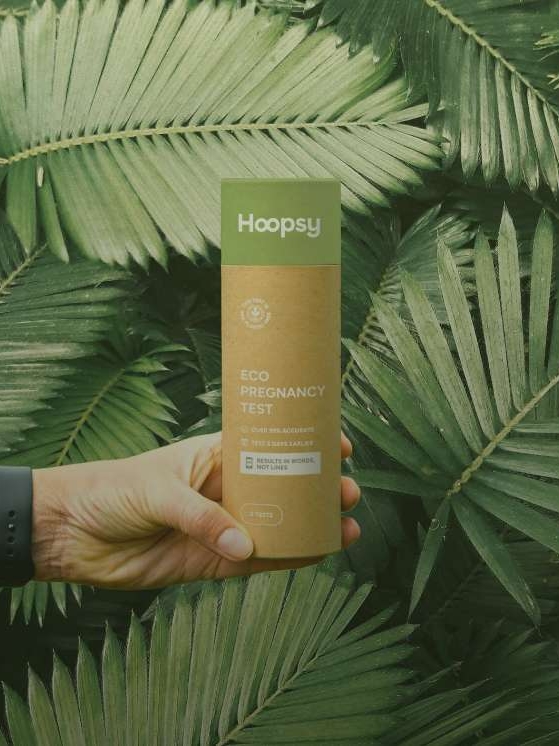
Hoopsy is on a mission to make healthcare more sustainable—starting with eco pregnancy test kits. Our plastic-free, paper-based hCG pregnancy test strips reduce waste without compromising accuracy. We believe better health starts with better choices—for you, and for the planet.
Learn More About…