
Are plastic bottles and straws harmful? is something that I often think about, particularly with these trends to drink from certain plastic useable bottles. If you’re trying to get pregnant and want to reduce your plastic consumption, then thinking about what you drink from and how you drink it is important. Every small reduction in unnecessary exposure gives your hormones more room to do their job—regulating cycles, supporting egg quality, and ultimately sustaining a healthy pregnancy.
Bottled water: what matters for hormone health
In 2024, researchers found roughly 240,000 microscopic plastic particles in a single liter of bottled water—many so tiny they can move from your gut into your bloodstream. That’s not ideal news for anyone, but it’s especially relevant if you’re TTC or dealing with hormone‑sensitive issues like endometriosis, PMOS, or fibroids.
Why it matters for fertility:
Some chemicals associated with plastics—such as bisphenols (e.g., BPA) and certain plasticizers—can mimic or interfere with hormones like estrogen and progesterone in lab studies.
Hormonal signaling is crucial for follicle development, ovulation, implantation, and early pregnancy maintenance. Anything that subtly nudges those signals off course is worth minimizing where you can.
When you are trying to get pregnant, your body is highly sensitive to changes in hormones, so reducing avoidable exposures during this time is a sensible plan
It is important to note that regulators currently consider cool, one‑time use of bottled water to be within safe limits. Science has clearly demonstrated the presence and absorption of microplastics and certain chemicals, but long‑term human fertility data is still evolving.
If you are trying to conceive and can avoid bottled water, then do it, but if it is a hot day and you are out and nothing else is available, then don’t stress about it, is probably the best way to go.
Are Plastic Bottles & Straws Harmful?
The plastic bottles that are really not good for your hormones and overall health are when you…
Reusing thin single‑use bottles for days or weeks
Letting bottles sit in hot cars, on windowsills, or in direct sunlight
Microwaving food or drinks in plastic containers
Using old, scratched, or degraded plastic food storage
Heat and wear speed up the release of chemicals from plastic into what you eat and drink. If you’re trying to give yourself the best chance of conceiving, then changing these habits is really important.
Straws: Paper is not necessarily better
From a hormone and fertility perspective, the occasional plastic straw is not the main threat. The contact area is small, and the exposure is brief. If your plastic load elsewhere is low, a straw here and there isn’t what will move the needle.
The twist is with “eco” straws. Many paper, bamboo, or plant‑based straws are treated or coated with PFAS—“forever chemicals” that don’t readily break down and can accumulate in the environment and your body. Some PFAS are being investigated for links to:
Changes in immune function
Altered cholesterol and metabolic markers
Potential impacts on fertility
Basically, swapping to paper/bamboo is not the answer. Personally, I try to avoid straws. Let’s face it, most of the time you can drink out of the glass with your mouth, but if you do want to use a straw, a glass or metal one is a much better option.
A TTC‑friendly hydration setup
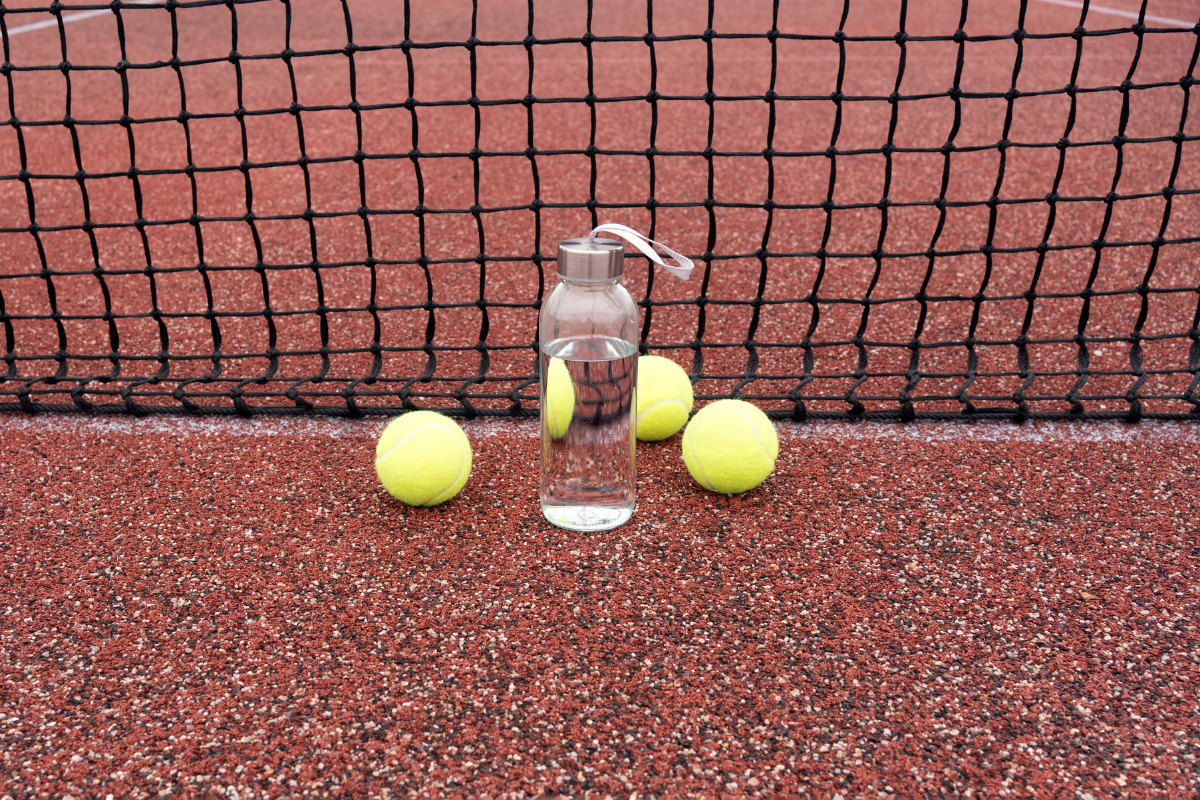 If you’re trying to conceive and want to give your body the best chance, here are some suggestions,
A stainless steel or glass bottle as your daily go‑to
Filtered tap water, assuming your local supply is microbiologically safe
No microwaving plastic and no “car‑baked” bottles
Avoid reusing thin single‑use bottles; treat them as single‑use
Metal or glass straws if you need them; otherwise, skip straws entirely
It’s hard, we all live in a convenience world, but swapping to a metal water bottle is definitely the way to go.

About Hoopsy
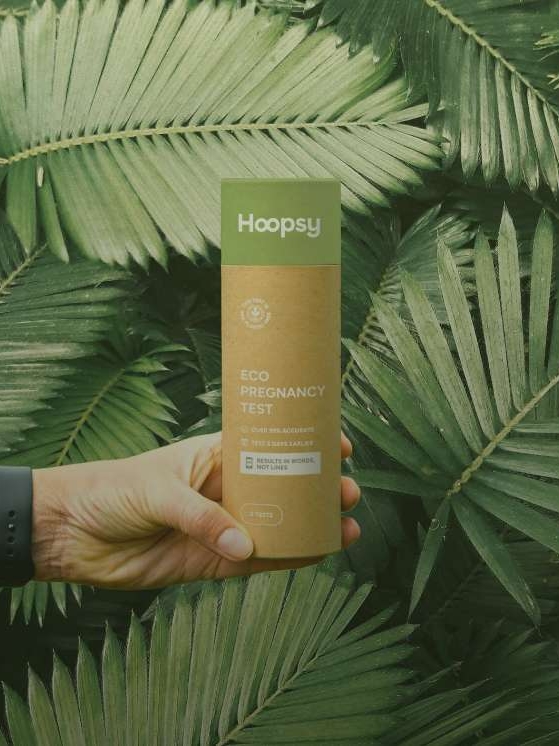
Hoopsy is on a mission to make healthcare more sustainable—starting with eco pregnancy test kits. Our plastic-free, paper-based hCG pregnancy test strips reduce waste without compromising accuracy. We believe better health starts with better choices—for you, and for the planet.
Learn More About…