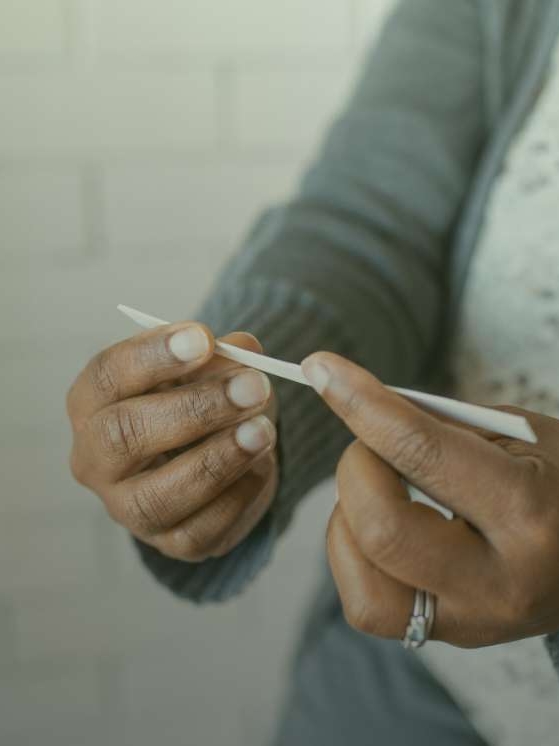

 You might think, once you hit perimenopause, that your fertility drops to nothing, but there is more to it than that. Perimenopause and fertility can still go together.
Can I get pregnant during perimenopause? Yes. As long as you are still having periods, even wildly irregular ones, your ovaries can still release an egg, so pregnancy is possible. You are only truly in the clear once you have gone a full 12 months with no period at all. Once you have had a whole year without a period, then you are in menopause, when you can’t get pregnant.
How Perimenopause and Fertility work
Perimenopause is the transition into menopause, not the finish line. During it, you still ovulate; your ovaries still release eggs, but it just happens unpredictably. You might skip a couple of months, assume things are winding down, and then get your period again out of nowhere. Your fertility drops during this time, but it does not fall to zero until you actually reach menopause.
The Chance of Getting Pregnant in Perimenopause
Your chances do go down a lot, but “down” does not mean you can’t get pregnant.
★ Early 40s: roughly a 10% chance per cycle
★ Late 40s: around 2-3% per cycle.
★ By 50: under 1%.
The chance of getting pregnant in perimenopause is low, but not nothing. In fact, more than 75% of pregnancies in women over 40 are unplanned, and a big reason is that women assume irregular periods mean they can no longer conceive. If you don’t want to get pregnant, keep using contraception.
Doctors recommend that couples keep using contraception until menopause is confirmed. In the UK, the NHS advises continuing for 1 year after your last period if you are over 50, or for 2 years if you are under 50. Many providers say contraception can generally be stopped around age 55, when natural conception becomes extremely rare.
A few things to know:
★ The rhythm method does not work well here. Tracking your cycle to avoid the fertile window relies on regular, predictable periods, which is exactly what perimenopause takes away.
★ Hormonal contraception and HRT can mask perimenopause. They can smooth out your cycle and hide the signs, making it hard to know when menopause has actually arrived, so talk to your provider about timing.
★ HRT is not contraception. If you are ovulating, you can still get pregnant while taking it.
Is it perimenopause or pregnancy?
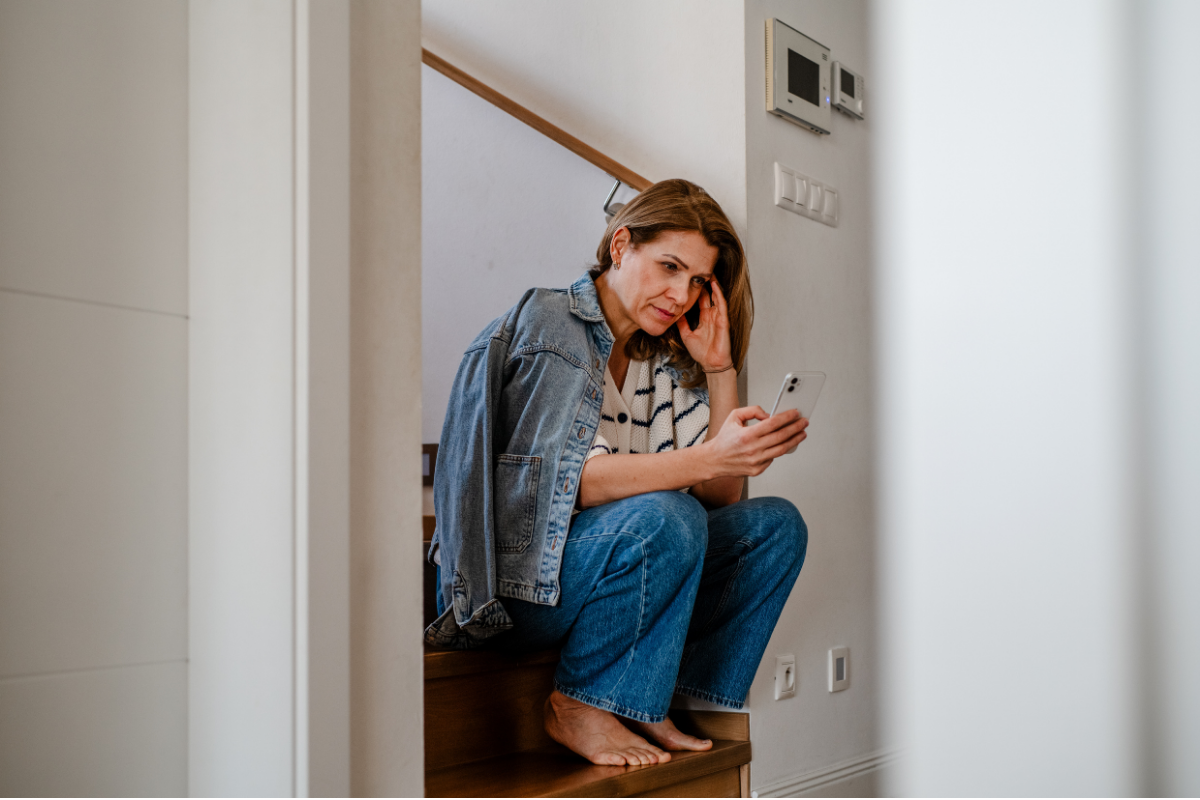 This can catch you out, because the symptoms look similar: a missed period, tiredness, mood swings, weight changes, brain fog. As a rough guide, breast tenderness or enlargement, nausea, and more vaginal discharge lean towards pregnancy, while hot flushes and vaginal dryness lean towards perimenopause. If you are not sure, the simplest move is to take a pregnancy test or see your doctor.
If you WANT to conceive during perimenopause
It is possible, but it gets harder as you get older, and pregnancy after 40 carries higher risks, including miscarriage, chromosomal conditions, gestational diabetes, and preeclampsia. If you are over 40, it is best to speak to your doctor or fertility specialist sooner rather than later, since treatment success also drops with age.

About Hoopsy
Hoopsy is on a mission to make healthcare more sustainable—starting with eco pregnancy test kits. Our plastic-free, paper-based hCG pregnancy test strips reduce waste without compromising accuracy. We believe better health starts with better choices—for you, and for the planet.
Learn More About…